
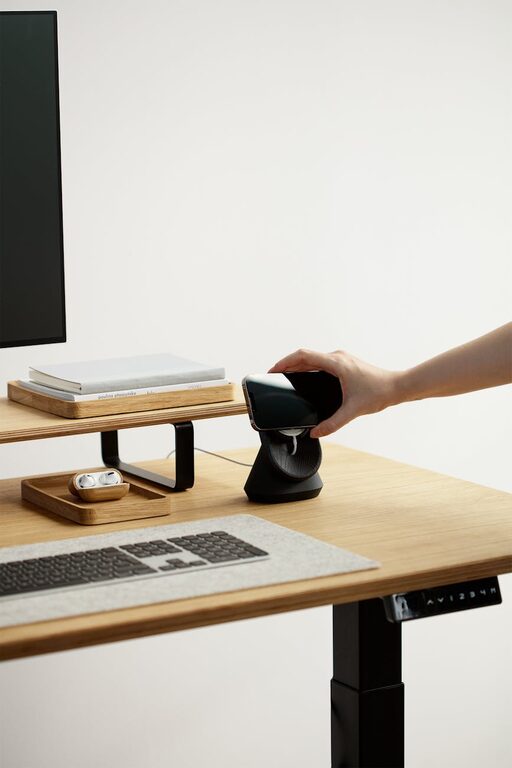
Creating a relaxing home workspace is essential for anyone working remotely or spending significant time on projects at home. A calm, comfortable environment can improve your focus, reduce stress, and increase overall productivity. Whether you have a dedicated room or just a small corner, making thoughtful design choices can transform your work area into a peaceful retreat.
Why a Relaxing Workspace Matters
Your surroundings have a direct impact on your mood and efficiency. Clutter, poor lighting, and uncomfortable furniture can cause distractions and tension. On the other hand, a tidy, inviting workspace encourages a positive mindset and promotes effective work habits.
Choose the Right Location
Consider Natural Light
Position your desk near a window if possible. Natural light helps regulate your body clock and reduces eye strain. If natural light isn’t available, opt for soft, indirect artificial lighting to mimic daylight.
Minimize Noise and Distractions
Select a quiet spot away from household activity. Using noise-cancelling headphones or a white noise machine can help maintain focus.
Invest in Comfortable and Functional Furniture
Ergonomic Chair and Desk
Choose a chair that supports your back and encourages good posture. Your desk should be at a height where your arms rest comfortably while typing.
Keep Essentials Within Reach
Arrange frequently used items like notebooks, pens, and your computer so you don’t have to stretch or get up often. This minimizes interruptions and keeps you in the workflow.
Organize and Declutter
Use Storage Solutions
Incorporate shelves, drawers, or organizers to keep supplies neat and hidden. A clutter-free surface reduces distractions and visual stress.
Establish a Daily Routine
Spend five minutes at the end of each day tidying your workspace. Developing this habit maintains order and prepares you for the next day.
Personalize Your Space Mindfully
Add Calming Colors
Soft tones like blues, greens, or neutrals create a serene atmosphere. Avoid overly bright or contrasting colors that may cause overstimulation.
Include Plants
Greenery can improve air quality and boost mood. Choose low-maintenance plants like succulents or spider plants if you’re new to plant care.
Display Inspiring but Simple Decor
Add a few meaningful items such as photos, artwork, or motivational quotes. Keep it minimal to prevent clutter.
Limit Digital Distractions
Manage Notifications
Turn off or mute non-urgent notifications during focused work sessions. Use apps or built-in device settings to schedule downtime.
Use Cable Management
Organize cords with clips or sleeves to keep your desk tidy and reduce visual chaos.
Incorporate Relaxation Techniques
Take Regular Breaks
Use techniques like the Pomodoro method—working in focused intervals followed by short breaks—to help sustain energy and reduce fatigue.
Create a Relaxation Corner
If space allows, have a comfortable chair or cushion nearby for quick mental resets. Use this spot for deep breathing, stretching, or brief meditation.
Maintain Good Air Quality and Temperature
Fresh air and comfortable temperature levels keep you alert and comfortable. Open a window, use an air purifier, or add a fan or heater depending on your environment.
Final Thoughts
Designing a relaxing home workspace doesn’t require a complete makeover. Small changes like adjusting lighting, decluttering, and adding personal touches can make a big difference. By tailoring your environment to be comfortable and peaceful, you set yourself up for better focus and a more enjoyable workday. Take the time to create a workspace that supports both your productivity and well-being—your work (and mind) will thank you!