
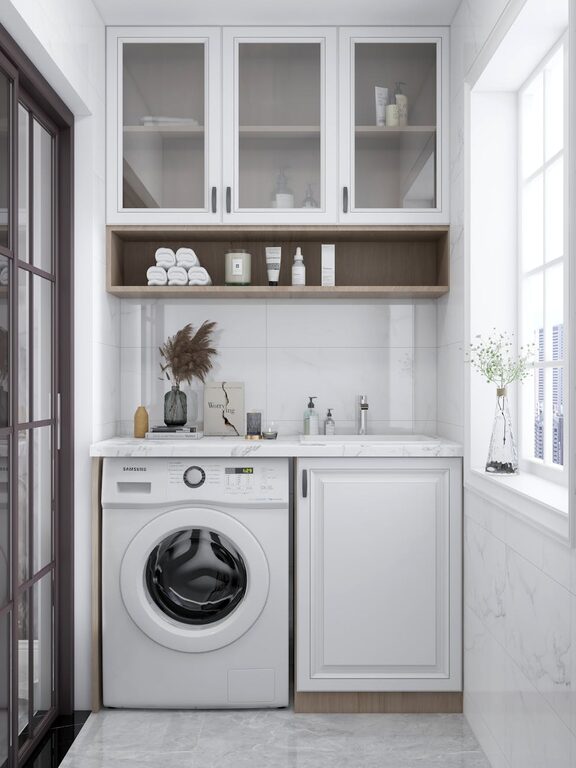
Creating a peaceful and quiet home environment is important for relaxation, focus, and overall well-being. However, noise from both inside and outside the house can disrupt your comfort. Fortunately, there are simple and affordable ways to reduce noise at home without needing major renovations. This post will explore practical tips to help you enjoy a calmer, quieter space.
Why Reduce Noise at Home?
Excessive noise can cause stress, decrease productivity, and disturb sleep. Whether it’s traffic noise, noisy neighbors, or sounds from appliances, controlling unwanted noise can greatly improve your quality of life. The goal is to absorb, block, or diminish noise to create a soothing atmosphere.
Understanding the Sources of Noise
Before applying solutions, it helps to identify where the noise comes from:
– Outdoor noise: Traffic, lawn mowers, construction.
– Internal noise: Appliances, electronics, footsteps, voices.
– Structural noise: Thin walls, hardwood floors, single-pane windows.
Pinpointing the main sources makes it easier to choose the best noise reduction strategies.
Simple Ways to Reduce Noise Indoors
1. Use Soft Furnishings to Absorb Sound
Hard surfaces reflect sound waves, increasing noise. Adding soft materials helps absorb these sounds and reduce echo.
– Rugs and carpets: Cover bare floors with thick rugs or carpets to absorb footsteps and vibrations.
– Curtains: Hang heavy or sound-dampening curtains on windows and walls.
– Upholstered furniture: Sofas, cushions, and padded chairs help soak up ambient noise.
2. Seal Gaps and Cracks
Noise easily enters through small gaps around doors and windows.
– Weatherstripping: Apply strips around door frames to block gaps.
– Door sweeps: Attach to the bottom of doors to seal the space beneath.
– Window caulking: Seal gaps around window frames to prevent outdoor noise from leaking in.
3. Rearrange Furniture Strategically
Furniture placement can act as an acoustic barrier.
– Position bookcases or large furniture against walls that face noisy streets.
– Use tall plants and shelves to break up sound waves inside the room.
4. Use White Noise or Ambient Sounds
Sometimes masking noise is more practical than blocking it completely.
– Install white noise machines or use phone apps with ambient sounds like rain or gentle waves.
– Fans or air purifiers also produce soothing background noise that can drown out distractions.
Tips for Soundproofing Windows and Doors
Windows and doors are common weak points in noise control.
– Double-glazed windows: These have multiple layers of glass with insulating air in between, greatly reducing noise.
– Soundproof curtains: Specially designed curtains can reduce noise by up to 50%.
– Solid core doors: Replace hollow-core doors with solid ones for better sound blocking.
Managing Noise from Appliances and Electronics
– Place noisy appliances like washing machines or air conditioners away from bedrooms.
– Use anti-vibration mats under machines to reduce shaking and noise.
– Choose quieter models when purchasing new appliances.
Additional Noise Reduction Ideas
Soundproof Wall Panels
Install acoustic panels or foam tiles on walls to absorb sound in high-traffic areas or home offices.
Create a Quiet Zone
Designate a quiet room or corner using thick rugs, cushions, and minimal electronics for uninterrupted relaxation or work.
Use Plants for Noise Absorption
Large leafy plants can help reduce noise by absorbing sound waves and improving air quality.
Final Thoughts
Reducing noise at home doesn’t have to be complicated or expensive. By incorporating soft furnishings, sealing gaps, rearranging furniture, and using masking sounds, you can create a more serene and comfortable living space. Start with a few small changes and enjoy the difference a quieter environment can make.
Creating a noise-controlled home takes some attention and creativity, but the benefits to your peace and wellbeing are well worth the effort!